Supply chain logistics is a pivotal aspect of modern commerce, involving the strategic coordination and management of goods from suppliers to consumers. This article explores the intricacies of supply chain logistics, providing a comprehensive analysis from an industry expert's perspective, and offering insights into its function, challenges, and future trends.

Supply chain logistics involves the planning, execution, and management of the flow of goods, services, and information from the origin point to the consumer. It's an essential link in the global economy, impacting everything from raw materials acquisition to final product delivery. Efficient supply chain logistics is crucial for companies to maintain a competitive edge, minimize costs, and meet customer demands effectively. The complexity of today’s supply chains necessitates a thorough understanding of logistics management, emphasizing the integration of various functions and processes across multiple stakeholders.
Logistics is not just about the physical movement of goods; it encompasses the strategic coordination of various business processes. From procurement and manufacturing to warehousing and distribution, every step must be meticulously planned and executed. Companies are increasingly recognizing that their supply chains can serve as a strategic asset, providing an opportunity to enhance customer satisfaction and drive business growth. Therefore, investing in supply chain logistics is no longer just an operational necessity; it is a critical component of a company’s overall strategy.
Core to supply chain logistics is the coordination of processes across various networks, ensuring that each step from production to consumption operates seamlessly. It requires synchronizing transportation, warehousing, inventory management, order fulfillment, and demand forecasting. The ultimate goal is to deliver products efficiently and cost-effectively while ensuring high service levels. In modern supply chains, this coordination extends beyond internal processes. Collaboration with suppliers, customers, and logistics service providers is paramount to achieving optimal performance.
Transportation management is a vital aspect of logistics, responsible for moving products from suppliers to manufacturers, and finally to retail outlets or directly to consumers. This function includes selecting the appropriate transportation modes (road, rail, air, or sea), managing transportation costs, and ensuring compliance with regulations. Effective transportation management can significantly reduce overall logistics costs and improve delivery times.
Warehousing and inventory management are equally critical. Warehousing involves the storage of products, where efficient space utilization and inventory control practices ensure that businesses can meet customer demands without tying up excessive capital in stock. Advanced inventory management techniques, such as just-in-time inventory, help reduce waste, improve cash flow, and enhance responsiveness to market changes.
Order fulfillment, which includes processing customer orders, selecting products, packing, and dispatching, is the final stage in the logistics chain. Timely and accurate order fulfillment not only boosts customer satisfaction but also enhances the company’s reputation and competitiveness in the market. Additionally, demand forecasting plays a crucial role in logistics planning. Companies leverage sophisticated data analytics and market insights to predict customer demand, allowing them to adjust their logistics strategies accordingly.
Companies are increasingly leveraging technology to enhance their logistics capabilities. Advanced software solutions for managing transportation, warehousing, and inventory offer greater visibility and streamline operations. Technologies such as RFID (Radio Frequency Identification), GPS tracking, and cloud computing facilitate real-time inventory management and tracking, which enhances overall efficiency and responsiveness.
The dynamic nature of global supply chains presents numerous challenges, including:
In the foreseeable future, several trends are likely to reshape supply chain logistics:
| Aspect | Traditional Approach | Modern Approach |
|---|---|---|
| Technology | Limited digital tools | AI, IoT integration |
| Sustainability | Focus on cost | Focus on eco-friendly solutions |
| Flexibility | Rigid pathways | Agile and resilient |
| Data Management | Manual processes, low visibility | Real-time analytics, high visibility |
| Collaboration | Isolated functions | Collaborative networks |
| Customer Focus | Limited engagement | Customer-centric strategies |
Q1: What is the importance of supply chain logistics?
A1: Supply chain logistics is crucial for ensuring that products are delivered efficiently, cost-effectively, and at optimal service levels, which is essential for maintaining a competitive business edge. It underpins customer satisfaction, impacts profitability, and can differentiate a company from its competitors in the marketplace.
Q2: How does technology affect supply chain logistics?
A2: Technology, such as AI, blockchain, and IoT, enhances the transparency, efficiency, and security of supply chain operations, enabling better data analytics and decision-making. These technologies offer crucial improvements in tracking, inventory management, and forecasting, allowing companies to respond more proactively to market demands and risks.
Q3: What challenges do companies face in supply chain logistics?
A3: Challenges include globalization complexities, rapid technological changes, demand variability, and the need for sustainable practices. Additionally, supply chain disruptions due to geopolitical issues, natural disasters, and pandemics can severely impact logistical operations, necessitating robust risk management strategies.
Q4: What are the benefits of sustainable logistics practices?
A4: Sustainable practices reduce environmental impact, meet regulatory requirements, and improve brand reputation, potentially reducing overall operational costs. Companies that implement green logistics tend to attract environmentally conscious consumers and create long-lasting brand loyalty.
Q5: How can companies enhance supply chain resilience?
A5: Companies can enhance supply chain resilience by diversifying suppliers, investing in technology for real-time visibility, developing contingency plans for disruptions, and analyzing supply chain risks comprehensively. Implementing flexible sourcing strategies and maintaining open communication with stakeholders is also crucial for building resilience.
In summary, mastering supply chain logistics is imperative for businesses aiming to thrive in the modern marketplace. With the continuous evolution of technology and consumer expectations, staying informed and adaptable is key to success. Embracing innovative strategies and sustainable practices allows businesses to enhance their logistics operations. Developing strong partnerships and investing in technology will ensure a competitive edge in a challenging economic environment. Additionally, focusing on environmental sustainability and supply chain resilience positions companies to address future challenges and seize opportunities in a rapidly changing landscape. As logistics continues to evolve, understanding its complexities will be vital for long-term growth and success. The careful navigation of supply chain logistics not only benefits businesses financially but also contributes positively to global economic and environmental landscapes.




The year 1222 marks a significant period in history, noted for its pivotal events and developments across various domains. Rooted in the early 13th century, this year witnessed influential occurrences that impacted political, cultural, and scientific landscapes. Understanding the context and implications of this era offers valuable insights into the patterns of societal evolution.
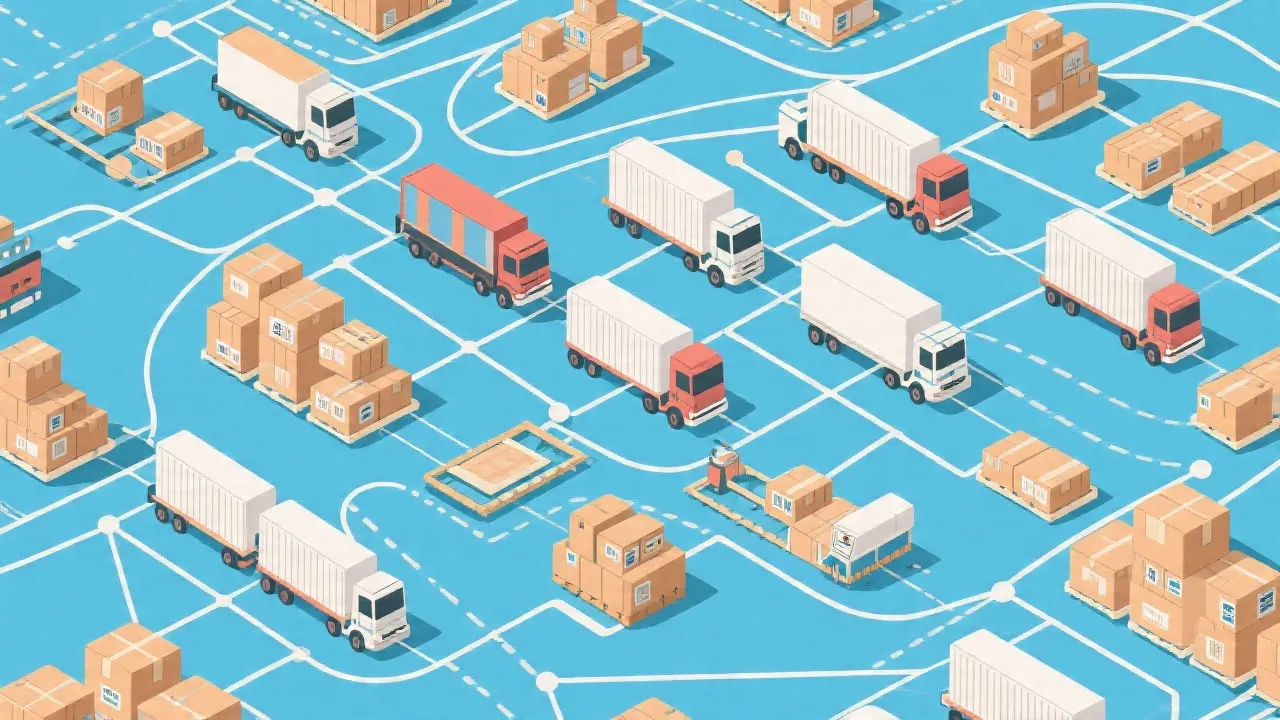
Supply chain logistics involves the intricate planning, management, and coordination of product flow from origin to consumer. This article explores the key components, challenges, and top practices in the field, providing insights for professionals aiming to optimize processes and reduce costs. By understanding the nuances of supply chain logistics, businesses can enhance efficiency and deliver superior value to customers.
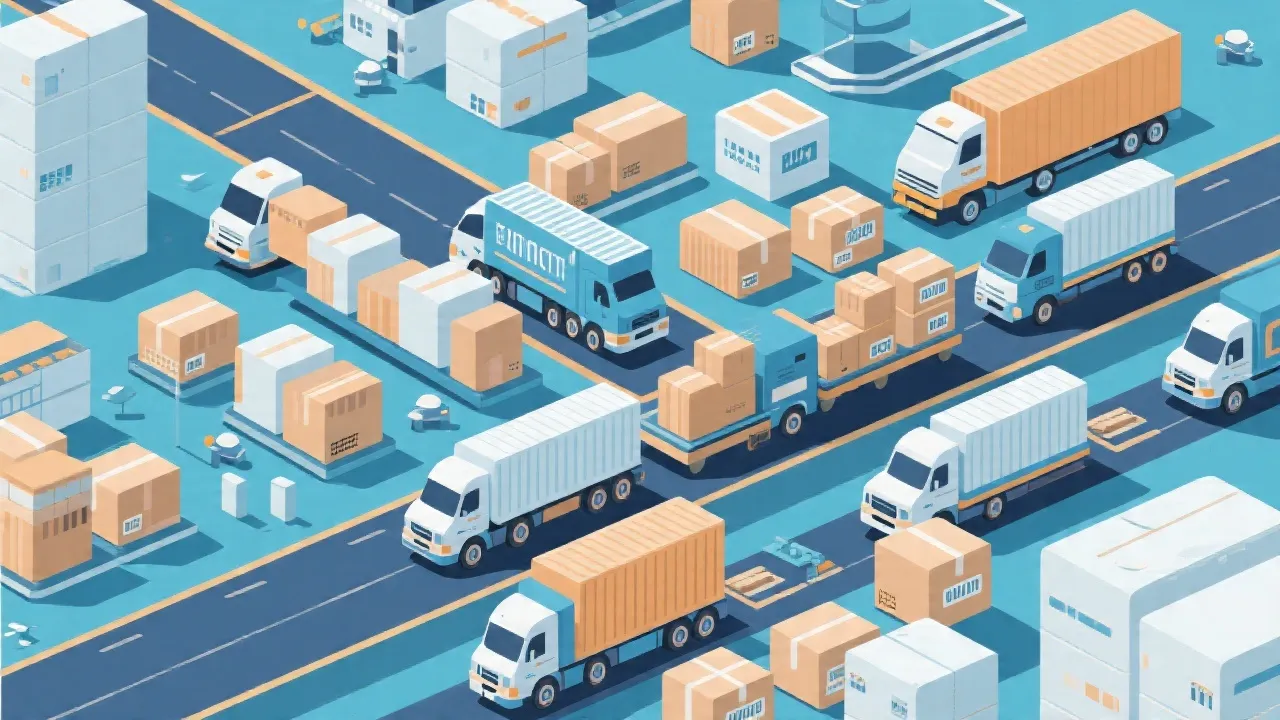
Supply chain logistics is a field encompassing the coordination of production, shipment, and delivery of goods. It involves a complex network of organizations, people, technology, and resources aimed at ensuring efficient processes. Understanding every component from warehousing to transportation is crucial in ensuring timely, cost-effective delivery while maintaining product quality and meeting consumer demands.
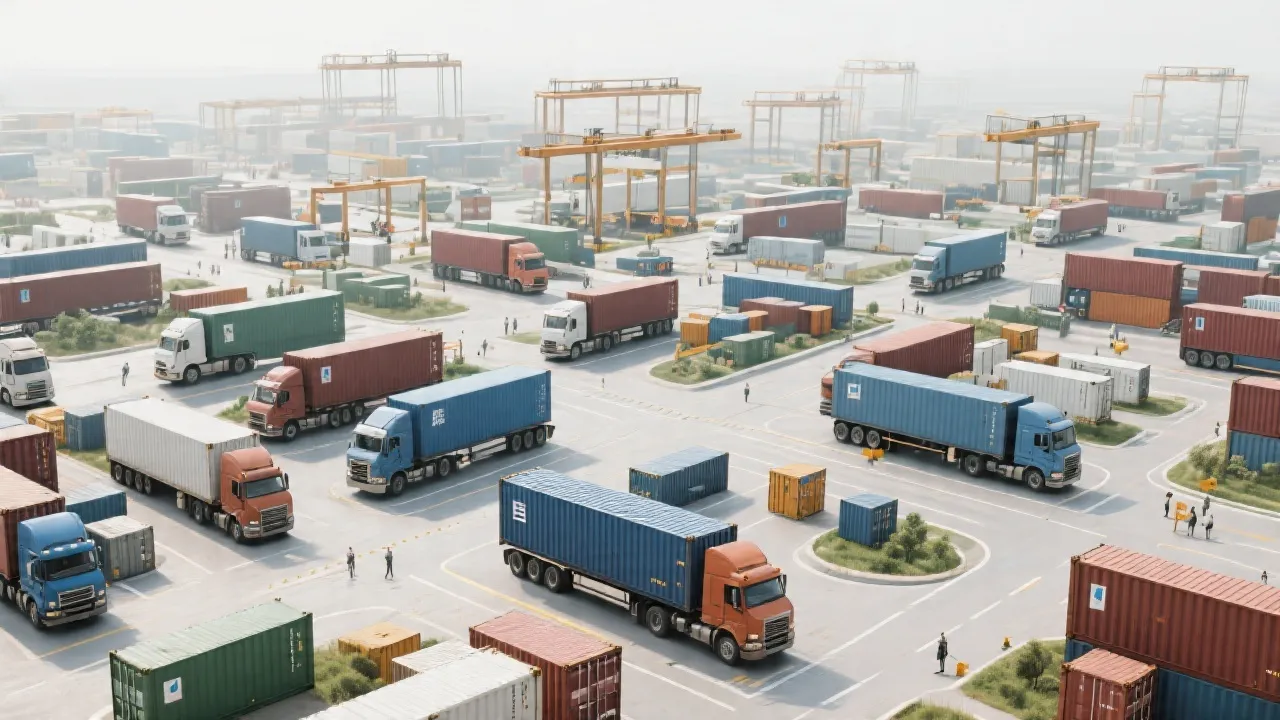
This guide explores the intricate landscape of supply chain logistics, emphasizing its essential role in global trade. Supply chain logistics involves the management of complex processes prioritizing efficiency and cost-effectiveness. This article delves into the core components, challenges, and future trends within this dynamic field, offering insights for professionals and businesses seeking to optimize their operations.
Supply chain logistics is a pivotal aspect of modern commerce, involving the strategic coordination and management of goods from suppliers to consumers. This article explores the intricacies of supply chain logistics, providing a comprehensive analysis from an industry expert's perspective, and offering insights into its function, challenges, and future trends.

Supply chain logistics involves the meticulous coordination and management of supply chain activities. Its primary aim is to ensure efficiency and cost-effectiveness while optimizing resources. Professionals in this field are tasked with overseeing everything from sourcing and procurement to manufacturing, distribution, and eventual delivery to the consumer. By understanding intricate logistics networks, businesses can enhance their operational success.