This guide explores the intricate landscape of supply chain logistics, emphasizing its essential role in global trade. Supply chain logistics involves the management of complex processes prioritizing efficiency and cost-effectiveness. This article delves into the core components, challenges, and future trends within this dynamic field, offering insights for professionals and businesses seeking to optimize their operations.
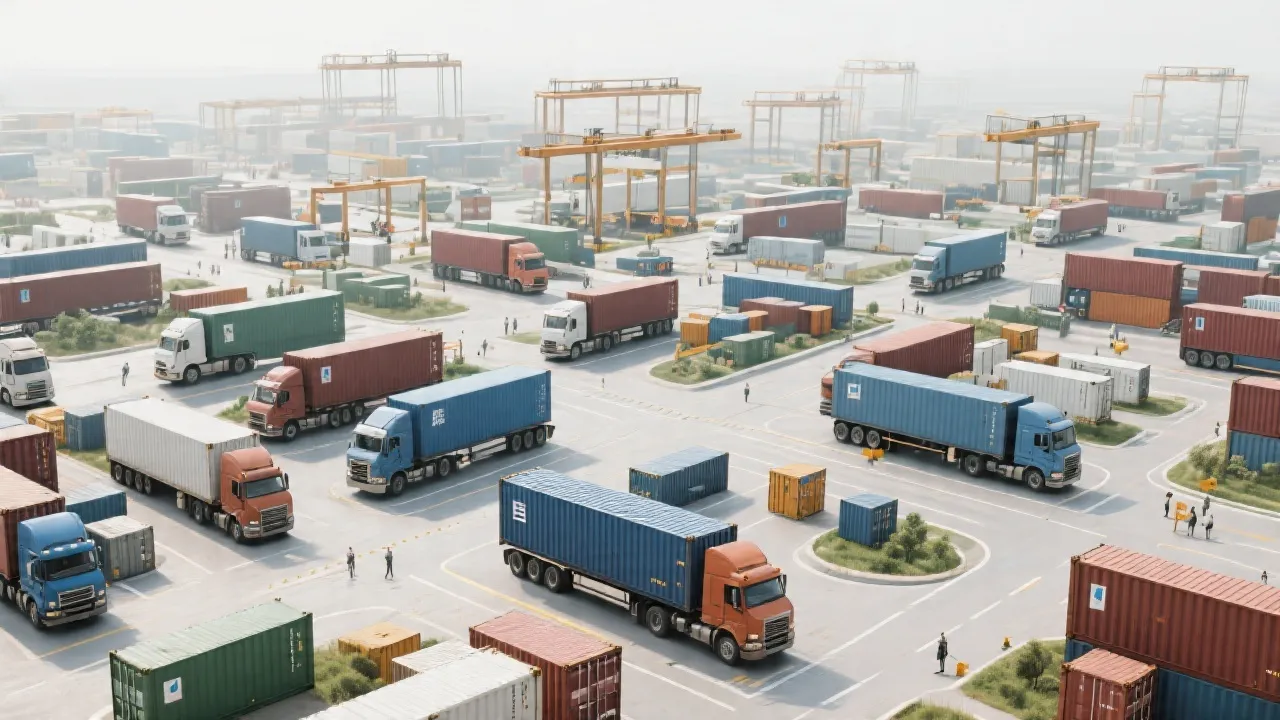
Supply chain logistics serves as the backbone of global commerce, strategically managing the flow of goods from raw material sourcing to the final delivery to consumers. This expansive field encompasses a variety of functions including procurement, transportation, warehousing, and distribution, each playing a critical role in ensuring efficiency and cost-effectiveness. The integral nature of supply chain logistics can hardly be overstated, as it not only affects the bottom line of businesses but also the overall satisfaction of consumers and the environmental impacts of companies. Understanding these logistics allows businesses to build robust strategies that cater to market demand while remaining competitive in a fast-paced global environment.
Efficient supply chain logistics depends on several interlinked components:
Handling supply chain logistics effectively presents several challenges that require astute management and innovative solutions:
The landscape of supply chain logistics is continuously evolving, driven by technological advances, economic shifts, and changing consumer expectations. Key future trends include:
| Current Trend | Future Trend |
|---|---|
| Manual tracking systems | Real-time digital tracking using IoT |
| Traditional forecasting methods | AI-driven predictive forecasting |
| Conventional warehouses | Automated and smart warehouses |
| Fossil fuel reliance | Sustainable and renewable solutions |
Throughout the evolution of supply chain logistics, the fusion of innovative practices with established logistics principles will continue to redefine the industry, driving efficiency, sustainability, and consumer satisfaction in new and profound ways. The ongoing transformation in supply chain logistics is not just about adopting the latest technologies; it’s also about understanding the principles of effective logistics management that can guide long-term strategic decisions. As globalization continues, the interconnectedness of supply chain logistics becomes more evident, showcasing the need for businesses to remain adaptable and responsive to both challenges and opportunities.
As supply chains operate on a global scale, they must consider various factors, such as differing regulations, cultural nuances, and market dynamics. Companies involved in international supply chain logistics face unique challenges but also opportunities in efficiency and expansion.
Regulatory Compliance: Different countries have distinct regulations regarding trade, environmental standards, and labor laws. Businesses need to stay informed about these regulations to avoid penalties and legal issues. Compliance requires constant monitoring of changing laws and engaging with local experts to navigate the complexities of international trade.
Cultural Differences: Differences in consumer behavior and cultural expectations can have a significant impact on supply chain operations. Understanding local markets helps companies tailor their logistics strategies to fit regional preferences, which can include varying delivery expectations and payment methods.
Market Dynamics: Shifts in economic conditions, political stability, and market demand directly affect the supply chain. Companies must be agile and able to adjust their logistics strategies according to these dynamics, utilizing local market insights and predictive analytics to inform their decisions.
Given the unpredictable nature of global markets and potential disruptions, it is essential for companies to build resilience in their supply chains. Resilience refers to the ability of a supply chain to react swiftly to disturbances while continuing to deliver products and services.
Diverse Sourcing: Companies should not rely on a single source or geography for vital components. Instead, developing multiple suppliers across various regions can mitigate risks associated with supply disruptions. This diversification ensures that if one supplier faces issues, others can step in to fill the gap.
Scenario Planning: Creating different scenarios to prepare for potential disruptions is crucial. Companies should engage in regular risk assessments and develop contingency plans. This planning prepares organizations to respond effectively, minimizing the impact of unexpected events.
Collaboration Among Stakeholders: Building stronger relationships with suppliers, third-party logistics providers, and partners is vital for enhancing communication and coordination in crises. Collaboration platforms can foster open lines of communication, ensuring all parties remain informed about challenges and potential solutions.
Investment in Technology: Investing in technology not only streamlines operations but also builds resilience. Companies leveraging real-time analytics and AI can effectively monitor their supply chain for potential issues, allowing for proactive management and rapid responses to disruptions.
To ensure efficient operations and continuous improvement, businesses must have a framework in place to measure the success of their supply chain logistics strategies. Key performance indicators (KPIs) are critical in evaluating the performance of logistics activities. Common KPIs include:
By establishing a balanced set of KPIs, businesses can gain comprehensive insights into their supply chain logistics performance and make informed adjustments to drive improvement further.
Examining real-world examples of supply chain logistics can provide valuable insights and lessons learned. Successful companies often showcase innovative strategies that can serve as models for others.
Amazon: Known for its seamless logistics operations, Amazon has integrated advanced technologies into its supply chain. Utilizing robotics in warehouses, predictive analytics for demand forecasting, and a broad network of distribution centers, the company has set benchmarks for efficiency and customer satisfaction. Amazon’s commitment to continually enhancing the customer experience drives its logistical excellence, from same-day delivery options to enhanced return processes.
Walmart: Walmart is another industry leader recognized for its supply chain efficiency. The company's innovative logistics practices focus on vendor collaboration, data-driven decision-making, and a comprehensive logistics network to ensure low prices and fast delivery. Walmart’s cross-docking shipping strategy enables products to move swiftly from suppliers to outlets, optimizing inventory and transportation costs while facilitating better service to customers.
Zara: The fashion retailer Zara employs a unique logistics strategy characterized by rapid turnaround times and a strong focus on customer preferences. By controlling most of its supply chain operations from design to distribution, Zara can quickly adapt to trends and consumer feedback. This responsiveness has led to a significant competitive advantage in the fast-moving fashion industry, allowing for frequent inventory refreshes that align with consumer demand.
As global commerce continues to expand, the importance of effective supply chain logistics cannot be underestimated. The dynamics of supply chains are shifting, driven by technological advancements, globalization, and evolving consumer expectations. Companies must remain flexible, adopting innovative strategies and embracing technology to enhance their supply chain efficiency while meeting sustainability goals.
The future of supply chain logistics holds tremendous potential, as emerging technologies and new practices foster greater transparency, agility, and resilience. By understanding and addressing the challenges facing supply chain logistics today and anticipating future trends, organizations can cultivate nimble and effective supply chains that not only stand up to disruptions but also thrive in a constantly changing global environment.
Ultimately, the ability to adapt and innovate in the face of change will define successful supply chain operations. Businesses must recognize that supply chain logistics is not merely a functional area but a strategic driver that influences competitiveness, customer satisfaction, and environmental stewardship for years to come.




The year 1222 marks a significant period in history, noted for its pivotal events and developments across various domains. Rooted in the early 13th century, this year witnessed influential occurrences that impacted political, cultural, and scientific landscapes. Understanding the context and implications of this era offers valuable insights into the patterns of societal evolution.

Supply chain logistics involves the intricate planning, management, and coordination of product flow from origin to consumer. This article explores the key components, challenges, and top practices in the field, providing insights for professionals aiming to optimize processes and reduce costs. By understanding the nuances of supply chain logistics, businesses can enhance efficiency and deliver superior value to customers.

Supply chain logistics is a field encompassing the coordination of production, shipment, and delivery of goods. It involves a complex network of organizations, people, technology, and resources aimed at ensuring efficient processes. Understanding every component from warehousing to transportation is crucial in ensuring timely, cost-effective delivery while maintaining product quality and meeting consumer demands.
This guide explores the intricate landscape of supply chain logistics, emphasizing its essential role in global trade. Supply chain logistics involves the management of complex processes prioritizing efficiency and cost-effectiveness. This article delves into the core components, challenges, and future trends within this dynamic field, offering insights for professionals and businesses seeking to optimize their operations.

Supply chain logistics is a pivotal aspect of modern commerce, involving the strategic coordination and management of goods from suppliers to consumers. This article explores the intricacies of supply chain logistics, providing a comprehensive analysis from an industry expert's perspective, and offering insights into its function, challenges, and future trends.

Supply chain logistics involves the meticulous coordination and management of supply chain activities. Its primary aim is to ensure efficiency and cost-effectiveness while optimizing resources. Professionals in this field are tasked with overseeing everything from sourcing and procurement to manufacturing, distribution, and eventual delivery to the consumer. By understanding intricate logistics networks, businesses can enhance their operational success.