Selecting the right high-speed internet service can be as complex as it is crucial for businesses and modern households alike. Research shows that stellar connectivity enhances productivity, entertainment, and even smart home functionalities. Within this article, we'll guide you through various aspects of picking internet services providers (ISPs), a sustainable internet connection, and tips to secure and maximize your high-speed internet performance.

Selecting the right high-speed internet service can be as complex as it is crucial for businesses and modern households alike. Research shows that stellar connectivity enhances productivity, entertainment, and even smart home functionalities. Within this article, we'll guide you through various aspects of picking internet services providers (ISPs), a sustainable internet connection, and tips to secure and maximize your high-speed internet performance.
Before delving deeper, it's important to comprehend what high-speed internet entails. Speeds of 25 Mbps download and 3 Mbps upload are considered the bare minimum for 'broadband' status by the Federal Communications Commission (FCC); however, these may prove inadequate for households or workplaces with multiple devices connected simultaneously.
When you're looking to get the fastest and very reliable internet, research is key. Begin by checking which ISPs serve your area. Resources like BroadbandNow can help identify available options. While availability might limit choices, considering even smaller local ISPs can be surprising – they may offer better customer service and prices.
Reputation, cost, speed, and contracts are fundamental when evaluating ISPs. Look for customer reviews and ratings to identify customer service and reliability standards. Next, compare the plans; price alone shouldn't be the deciding factor.
The type of connection can affect your internet speeds. Here’s a brief overview:
Choosing between these depends on availability, your internet consumption, and budget.



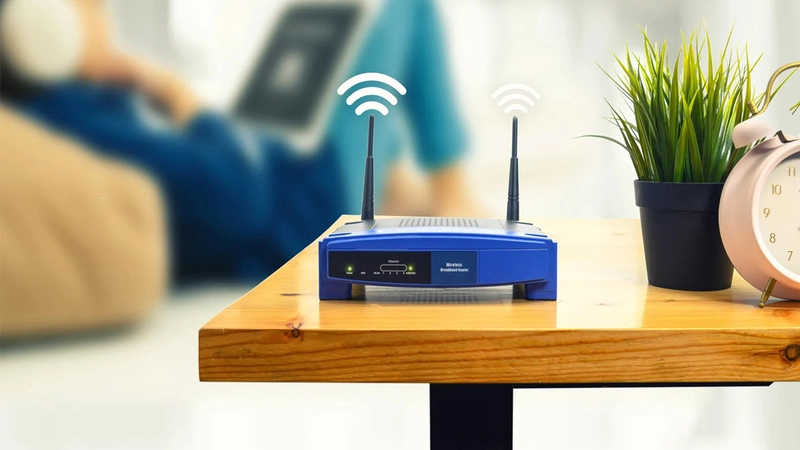
Staying connected online shouldn’t be a challenge for seniors. Learn how reliable Internet Service Providers (ISPs) and senior discounts can help.
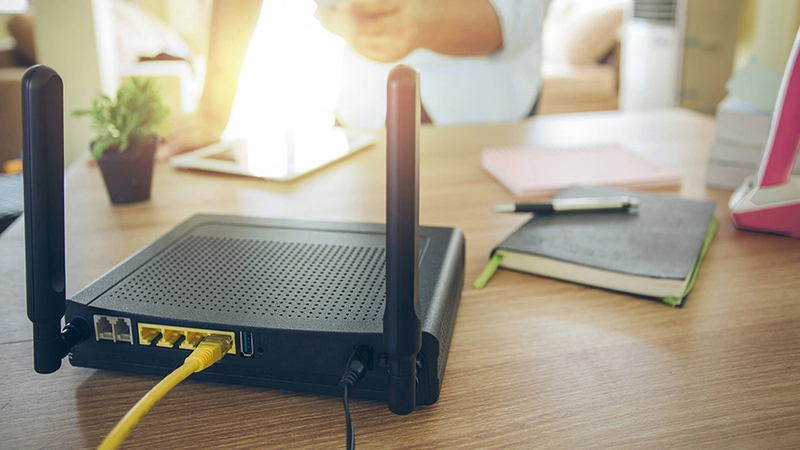
Understanding the marketplace and available optionscan directly impact your wallet and your community. Here’s how to harness tailored discounts, support local initiatives, and choose services wisely.

In the modern world, a reliable internet connection is vital. Here’s how to select the right provider and plan to match your connectivity needs.
Selecting the right high-speed internet service can be as complex as it is crucial for businesses and modern households alike. Research shows that stellar connectivity enhances productivity, entertainment, and even smart home functionalities. Within this article, we'll guide you through various aspects of picking internet services providers (ISPs), a sustainable internet connection, and tips to secure and maximize your high-speed internet performance.
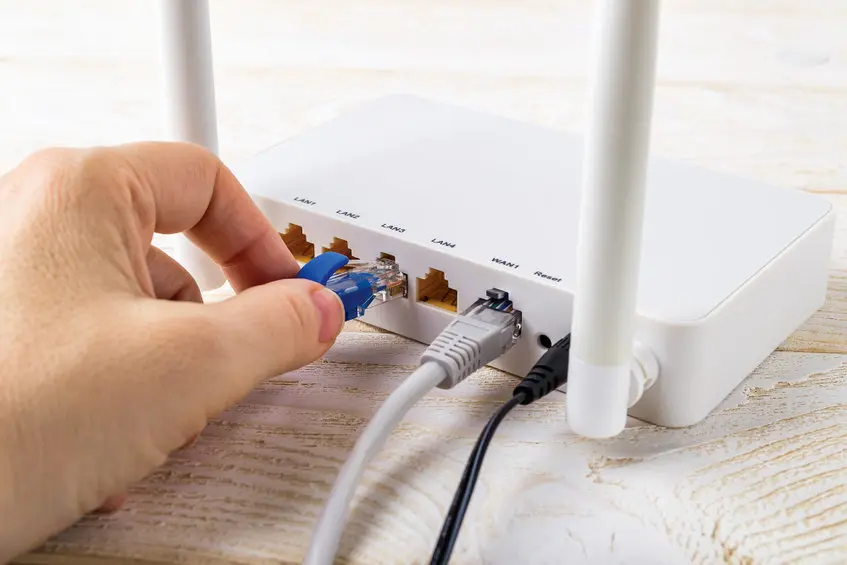
Navigating the world of internet service providers (ISPs) doesn't have to be perplexing. Cut through the clutter with this easy guide.
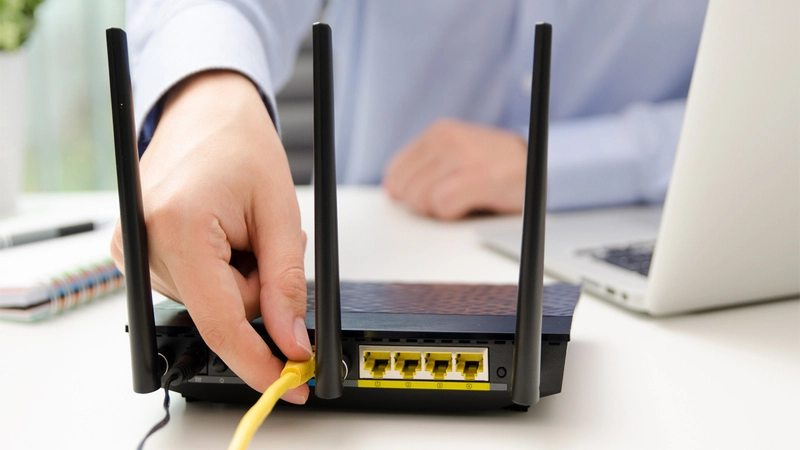
Navigating the internet can open up a world of opportunities and accessibility for seniors, yet costs can become a barrier. Here's how to find affordable solutions.