Grand Vitrali Moema is a stained-glass–focused architectural and decorative concept that many buyers evaluate for ambiance, craftsmanship, and site fit. This guide explains, in an objective way, what “Grand Vitrali Moema” typically signifies in design practice, what factors influence selection, and how to assess suppliers, materials, installation approach, and good maintenance.
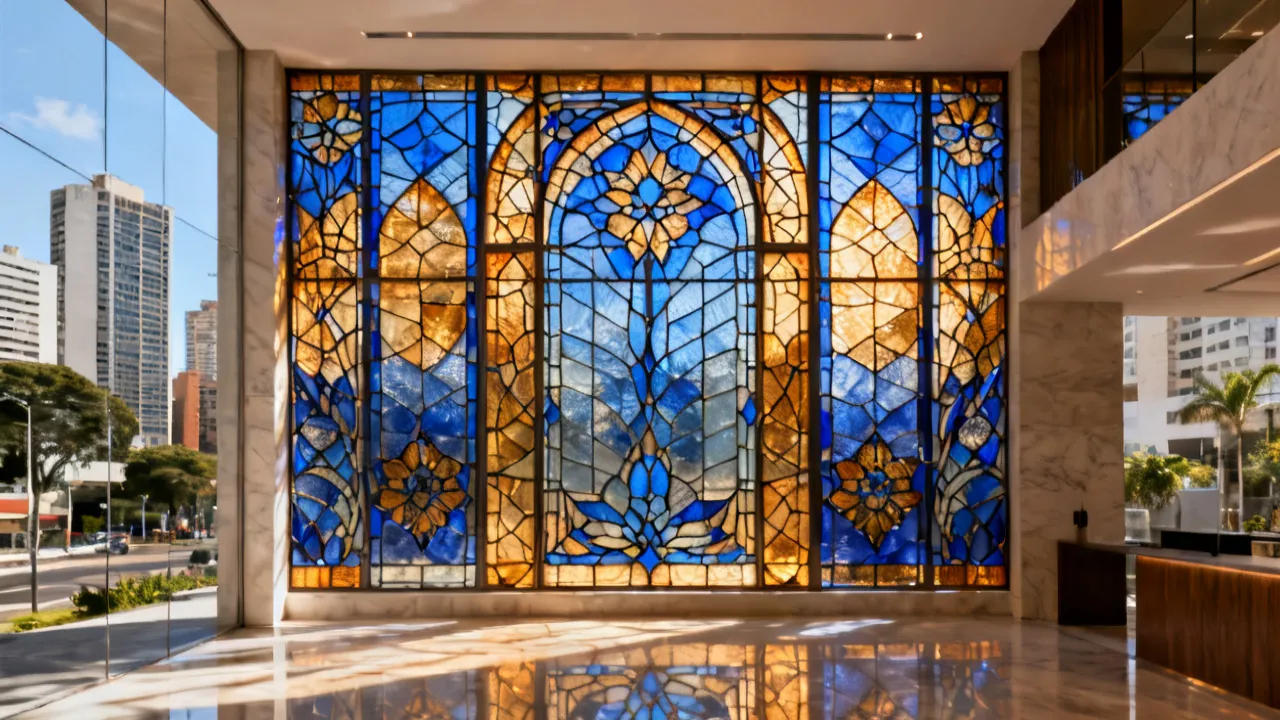
When considering Grand Vitrali Moema, focus first on three decisions that very directly affect final results: (1) the design and artistic specification (motifs, color palette, and lead/cement technique), (2) the material and fabrication quality (glass type, coating/burnishing process, and panel durability), and (3) the installation plan (frame system, structural attachment method, and cleaning access). For buyers near Moema’s lively urban fabric, these choices determine how the stained-glass experience reads in real daylight—whether it looks balanced and luminous from the street side, hall transitions, and interior viewpoints.
In practical terms, a “grand” stained-glass concept usually means the installation is expected to have heightened visual presence—larger surfaces, richer compositional detail, and a stronger integration with architecture—rather than a small decorative insert. As a result, the risk of mismatched expectations is higher, so due diligence becomes essential.
To do that effectively, treat the selection process like a structured build rather than a simple art purchase. In Moema-area properties—many of which feature large glazing, bright interiors, and contemporary lighting—stained glass tends to be “seen from everywhere.” That means any weak link (in joinery, texture selection, frame flatness, or even cleaning access) will be noticed quickly by residents and visitors. Premium work should therefore be evaluated as an engineered decorative system.
Finally, because Grand Vitrali Moema is often used as a market phrase (not always a uniform standard), you should insist on verifiable specifications instead of relying on branding. A supplier’s images may show beautiful results, but your job is to understand how their materials and methods will translate into your specific lighting conditions, wall depth, mounting method, and usage patterns.
Grand Vitrali Moema is commonly used as a brand-like or project-style phrase describing a premium stained-glass installation aligned with the Moema neighborhood’s reputation for modern residential and mixed-use architecture. In objective terms, buyers use this label to signal a few shared expectations: (a) high visual impact, (b) custom or semi-custom artwork, and (c) craftsmanship discipline in the joinery and finishing.
However, because “Grand Vitrali Moema” can be used by different suppliers in slightly different ways, you should treat it as a starting reference rather than a technical specification. The defensible way to verify quality is to request the concrete production details: glass composition, lead/cement strategy (or alternative structural join methods), panel thickness guidance, substrate/frame design, and the installation sequence.
It helps to understand why the phrase proliferates: stained-glass projects are usually tailored to each building. Two “grand” projects can look similar in brochure photos while being dramatically different in structural support, glass thickness, or the way the design is rendered at real scale. For example, one supplier might interpret “grand” as using more textured glass and deeper color layers, while another might prioritize large-format clean geometry and minimal textures. Both could be high-end, but they do not behave the same under daylight.
To avoid being misled by language, you can ask suppliers to translate their interpretation of “grand” into measurable parameters: maximum dimensions per panel, planned number of joints, type of mounting substrate, expected glass thickness range, the number and location of movement accommodations, and the approach to protecting edges against vibration or dust accumulation.
Professionals in architectural decorative work typically evaluate stained-glass projects through a chain of measurable or observable attributes. In the context of Grand Vitrali Moema, the “grand” effect should not come only from size. It should come from coherence across the whole system:
From an expert procurement standpoint, the safest evaluation approach is to compare supplier proposals based on methods, materials, and verification steps—not only on presentation images.
A useful way to think about quality is to separate visual beauty from visual stability. Visual beauty is the first impression: the palette, the motif clarity, and the overall “wow factor.” Visual stability is whether the work will keep that impression over time, under dust, temperature cycling, humidity variations, and repeated cleaning. A grand installation that looks stunning on day one but loses clarity quickly due to poor finishing, inadequate edge protection, or seal degradation may be considered lower quality even if the initial art is beautiful.
Also, evaluate how the supplier handles transitions between panels. Grand installations usually have multiple panel pieces. The best systems reduce visible interruption and ensure that line continuity is maintained—particularly when the installation is backlit or when the viewer sees it from an oblique angle while moving through the home.
In Moema environments, where homes may have strong sunlight patterns and reflective surfaces, an experienced supplier will anticipate glare, reflections, and “hot spots” where certain colors become too intense. Optical coherence includes this planning—not just the selection of attractive glass colors.
You may encounter price discussions around Grand Vitrali Moema, but reliable costing varies widely due to project scope. Industry pricing for premium stained-glass is typically influenced by: panel area, design complexity, number of colors and glass textures, frame specification, onsite measurements, and installation difficulty.
Because buyers asked for “price information” but no exact figures were provided here, the objective recommendation is to structure your budget around cost drivers rather than a single number. Request a written quote that breaks down: (1) design/artwork labor, (2) glass materials, (3) fabrication/testing, (4) frame/structural elements, and (5) installation and finishing.
When quotes are compared, ensure each proposal covers the same scope. A lower total can be misleading if it excludes frames, sealing hardware, scaffolding/setup, or post-install cleaning and inspection.
Beyond the quote line items, you should consider hidden costs that often appear later: the cost of additional site visits for measurements, the cost of correcting frame misalignment discovered after fabrication, and the cost of making extra allowances for cleaning access or protective glazing. Some suppliers include these in their contingency; others handle them as change orders. Your due diligence here should prevent surprises.
In grand projects, installation can be particularly sensitive to building conditions. If the opening requires reinforcement, if the frame must be rebuilt for levelness, or if there are accessibility constraints (tight corridors, fragile flooring, or restrictions on dust), those factors influence labor cost and schedule. The “grand” nature of the artwork can be visually impressive, but the physical logistics can be the most expensive part if site coordination is poor.
When assessing fairness, also look for transparency: reputable suppliers can explain why they recommend certain materials, what thickness range they plan to use, and how their installation method addresses long-term stability. A price that is much lower than competitors without a clear rationale often signals either simplified materials, fewer checks, or reduced installation planning.
Because Grand Vitrali Moema is often purchased from specialized workshops, supplier credibility matters. Ask suppliers to document the following as part of the proposal package:
In Moema-area residential contexts, homeowners often value a clean aesthetic at street level and a calm visual atmosphere indoors. Suppliers who understand sightline planning can advise on placement so the stained-glass reads well at typical daily viewing times.
To strengthen supplier accountability, request additional artifacts beyond a standard quote. For instance, ask for a sample “mock-up” process for color behavior: a small set of glass swatches mounted into a frame that matches your planned wall depth. The goal is to see not only how colors look, but how they appear when framed by architectural edges (walls, trims, surrounding glazing) and under real light.
You can also request a production timeline that includes approval milestones. In grand installations, design and materials may need multiple iterations—especially if you want a balanced palette that complements Moema’s typical daylight intensity and interior color temperature. A transparent timeline helps avoid rushed fabrication that can lead to sloppy joinery or incomplete finishing.
Another credibility signal is how suppliers handle measurement changes. A responsible supplier will explain their process if onsite dimensions differ from preliminary measurements, including whether changes affect motif scale, joint layout, and frame plan. This matters because mis-sizing can create misalignment at visible seams.
In Moema, many spaces blend modern glass, light-colored finishes, and strong natural light patterns—especially around daytime. Stained glass can either harmonize with this brightness or overwhelm it, depending on color temperature, transparency levels, and panel placement. For example:
Local buyers often describe their preference using everyday language—“softening the space,” “adding warmth,” or “making the entrance feel special.” Translating these preferences into objective design instructions (color palette targets, opacity ranges, and viewing distance) is where professional proposals become valuable.
To translate preferences into technical decisions, you can define a “day/night behavior goal” with the supplier. For instance, if your living area receives direct afternoon sun, you may want a palette that avoids overly intense hotspots. That can mean selecting certain colors with higher transparency or using textured glass strategically so light diffuses rather than blasts through.
You can also think about the relationship between stained glass and interior furnishings. In many Moema homes, furnishings may include light woods, neutral walls, and contemporary metallic accents. A grand stained-glass palette can either complement these materials (for example, by using warm ambers and earthy greens) or clash with them if the palette includes strong cold blues with opaque textures that dominate the room visually.
Also consider how the stained-glass installation interacts with surrounding surfaces. If your stained glass is near reflective floors, polished stone, or large mirrors, the optical experience may become more dynamic—but also more unpredictable. A supplier should be open to discussing how their design choices will produce predictable reflections rather than unwanted glare.
Finally, remember Moema’s urban context includes frequent cleaning demands: dust accumulation from outdoor air, street grime near entrances, and fine particulates can settle on edges. While stained glass is not the same as paint, cleaning access and finish protection become especially important in a lively area where doors are used often and entrances become high-traffic zones.
To make Grand Vitrali Moema selection more predictable, use the following structured approach. The table format below compares evaluation stages and practical requirements. (Note: No links are provided, in line with your request.)
| Stage | What to do | Supplier requirement / deliverable | Condition for proceeding |
|---|---|---|---|
| 1. Define purpose | Clarify the functional role: entrance statement, privacy balance, or interior color ambiance. | Written brief with target viewing locations and lighting expectations. | Both parties agree on primary viewing angles and ambient lighting type. |
| 2. Verify design scope | Confirm whether artwork is fully custom, adapted from an existing pattern, or composed from a catalog. | Design proposal with motifs, color ranges, and sizing constraints. | Design fits architecture dimensions with acceptable tolerances. |
| 3. Evaluate materials | Ask about glass types and texture balance to control translucency. | Material list and glass thickness/finish guidance. | Material choices match the intended luminosity under local daylight. |
| 4. Confirm fabrication method | Assess joinery, finishing, and structural support details. | Fabrication process overview and panel assembly explanation. | Proposed method supports longevity and safe maintenance access. |
| 5. Installation plan | Align on measurements, protection, and mounting approach. | Installation sequence, equipment/setup plan, and onsite checks. | Site conditions (openings, frames, alignment) are confirmed before production. |
| 6. Inspection and aftercare | Plan acceptance criteria and cleaning instructions. | Final inspection checklist, care guidance, and warranty terms. | Acceptance standards are documented and mutually confirmed. |
To further strengthen this process, consider adding a parallel “risk management” track. Grand stained glass carries multiple risks: breakage during transport, misalignment due to frame irregularities, and long-term seal or coating degradation due to improper cleaning. You can reduce these risks by requiring documentation at each step. Examples include transport protection plan, onsite protection protocols (dust barriers), and a post-install inspection photograph set that shows key seams and attachment points.
In a well-run procurement, the supplier should not be offended by requests for documentation. Instead, these requests signal that you are a serious client who wants predictable outcomes—exactly what you need for a grand-scale installation.
In the premium segment associated with Grand Vitrali Moema, suppliers may offer different production models. The decision is less about “better” versus “worse” and more about fit:
If you can’t see how a supplier’s proposed palette behaves under daylight in your room, request either color-test samples or a clear visualization methodology (e.g., sample glass swatches and documented lighting assumptions).
It’s also important to understand how “custom” can still be implemented at different levels. A supplier can be “custom” in motif but standardized in glass selection, panel assembly method, and finish. Conversely, a supplier can adapt a catalog design but invest heavily in material selection to preserve the same optical effect at scale. The best way to judge is to ask what changes and what remains the same between projects.
For example, ask: “If we choose a specific color swatch, can you provide glass test behavior under warm LED lighting and under daylight? If the exact glass isn’t available, what is your substitution method and how do you ensure optical similarity?” A serious workshop will have a substitution logic and will avoid guessing.
Similarly, ask whether the supplier’s scalable approach affects joint visibility and panel edge finishing. In grand installations, the number of joints increases with larger dimensions and the need for panel segmentation. If a scalable workshop optimizes for speed, joinery refinement might vary. This can show up as uneven seam width, misalignment, or inconsistent patina/burnishing around lead or cement lines.
Finally, compare finish longevity. Some production methods may result in coatings that look crisp initially but haze over time under certain cleaning chemicals. Ask for the cleaning compatibility list and whether protective layers are integral or optional.
Even excellent glass artwork can underperform if installed without attention to the surrounding system. For Grand Vitrali Moema projects, look for these quality checks:
These points are not marketing claims; they are standard causes of good satisfaction or regret in decorative architectural work.
To make installation success more predictable, discuss the frame system in depth. Many homeowners focus on the artwork but assume the frame “doesn’t matter” beyond holding the glass. In reality, frames influence optical behavior. If the frame is too thick, dark, or reflective internally, it can create visual borders that either improve the composition (a “museum” framing effect) or disrupt it (unwanted dark bands). The frame’s color and finish should therefore be considered part of the design system.
Another overlooked element is tolerance handling. Modern buildings can have slight variations: the opening may not be perfectly square, walls may be out of level, and trims might have micro-warp. A skilled installation team plans for these tolerances through shims, careful leveling, and a mounting method that avoids twisting the glass. If the glass is forced into a misaligned opening, stresses may accumulate around joints—especially in large-format grand panels.
Cleaning access is also a design issue. For grand installations, you might not want cleaners to remove trim elements every time. Instead, the supplier can propose removable panels, accessible vents, or safe cleaning pathways that allow routine maintenance without dismantling critical components.
If your stained glass is on a facade exposed to sun and rain, you should ask about edge protection and water management. Moisture can infiltrate around frames, and temperature cycling can drive movement. A proper system uses sealing strategies compatible with the building envelope so water does not track toward the glass edges or lead/cement lines. Also ask whether the supplier recommends protective glazing (such as an outer pane) and how that affects the optical effect—especially color saturation and luminance.
Stained-glass installations are often purchased with emotional intent—“it should look beautiful every day.” But buyers should also plan for maintenance realism. While stained glass is durable, surrounding elements (frames, seals, and protective finishes) require appropriate care. A professional supplier should provide cleaning recommendations tailored to the glass type used in Grand Vitrali Moema.
In general objective terms, you should:
Maintenance begins with prevention. In a grand Moema installation near an entrance, the glass may collect dust more quickly due to traffic and airflow patterns. The best maintenance plan includes gentle routine cleaning and inspection rather than waiting until dirt becomes embedded. If dirt is allowed to accumulate at edges, it can become harder to remove and may require stronger methods that increase risk to protective finishes.
Discuss cleaning chemistry compatibility. Some glass finishes and protective coatings can be affected by certain solvents or high-pH cleaners. A reputable supplier will advise which cleaning agents are safe and which to avoid. Request a written care sheet so that future household cleaning habits do not accidentally compromise the surface.
Longevity also depends on environmental factors. If the installation sits near kitchens, bathrooms, or HVAC vents, steam and temperature differences can cause condensation on the frame. If seals are imperfect, condensation can lead to discoloration or accelerated dust accumulation. A grand installation should therefore be designed with an understanding of household airflow patterns.
Consider maintenance scheduling. In high-traffic homes, the practical cycle might be a quick visual inspection every few months (especially around seams and edges) and a more thorough cleaning once or twice per year. But the appropriate cadence should be determined based on whether the installation is internal or external-facing and how much direct sunlight it receives.
Finally, ask about repair readiness. Over the long term, any system can require minor adjustments—tightening attachments, resealing a small section, or addressing a seam that has shifted. The supplier should clarify whether they offer service support, whether they can match glass types for replacements, and what the process looks like if a panel needs future restoration.
When evaluating suppliers for Grand Vitrali Moema, professional buyers often follow a disciplined checklist:
These are typical professional procurement controls in custom decorative building trades.
To make due diligence more robust, expand this checklist into a “paper trail” approach. For instance: confirm that design approvals are documented in writing; request an invoice schedule aligned to production milestones; verify that installation dates and acceptance timelines are specified; and ensure that any change orders are only triggered by documented changes (not by vague “site conditions” claims without evidence).
Another credibility dimension is craftsmanship consistency. Ask whether the supplier can provide references from similar grand installations and whether they have an internal quality control stage where each panel is checked for alignment, seam consistency, and surface finish. If a supplier only relies on the final installation to prove quality, there is less opportunity to catch issues early.
You can also request a “what could go wrong and how you prevent it” explanation. For example, the supplier might explain how they prevent glass chips during handling, how they pack panels to avoid edge damage, and how they confirm frame alignment before mounting. The quality of these explanations often correlates with real operational maturity.
In practice, it refers to a premium stained-glass–oriented installation expected to deliver heightened visual impact and refined craftsmanship. Because different suppliers may use the phrase differently, the real meaning is confirmed through the specific design scope, materials, and installation method described in the proposal.
To ensure you are buying what you think you are buying, ask how the supplier defines “grand” for their process: is it larger dimensions, a more complex color strategy, additional panel segmentation, or a specific joinery and finishing standard? The best suppliers will answer concretely, not vaguely.
Compare quotes by scope and deliverables: design labor, glass materials, frame system, fabrication method, installation plan, and inspection/aftercare. If one proposal omits frames or finishing, the price comparison is not apples-to-apples.
Also compare the level of detail provided. A strong quote will specify materials, explain tolerances, and describe how acceptance will be performed. A weak quote might include only lump sums and minimal technical information. “Grand” projects deserve a quote that reads like a plan, not just a price.
Not automatically. Larger panels can look spectacular, but optical balance depends on color palette, texture selection, and how the artwork aligns with architectural sightlines. “Grand” should be evaluated on how it performs in your space under real daylight and evening lighting.
Sometimes grand scale reveals problems that small inserts hide. Uneven seam widths, misalignment at panel joints, or poor texture distribution can look subtle in small work but obvious across a large entrance. That is why fabrication discipline becomes more important as scale increases.
Yes, but you should provide objective references—existing wall finishes, lighting temperature (warm vs. neutral), and the approximate direction of daylight. A professional supplier can then recommend glass textures and opacity levels that align with your desired mood.
If you want to maximize harmony, consider providing a palette target not only by color names but by measurement: for example, specify whether your interior uses warm 2700K lighting or neutral 4000K lighting, and whether you prefer muted diffusion or high-saturation sparkle. A supplier can translate this into glass transparency and texture selection.
Ask for specific glass categories, finish/texture behavior, and the fabrication/join method. Request a material list and explain how those material choices affect translucency and good maintenance.
Beyond category names, ask whether the supplier uses different glass types for different visual purposes: textured glass for diffusion, clearer glass for highlights, and opaque glass for contrast anchors. In a grand design, each material type plays a role in the overall optical composition.
Require a final inspection and an acceptance checklist covering alignment, surface cleanliness, panel stability, and the integrity of seals and attachments. A reputable supplier should document these steps.
Ask what happens if something fails acceptance criteria. Is it corrected on-site? Is a panel remade? Are replacement timelines defined? A supplier should be able to answer these questions without delay because acceptance is part of the project contract.
Common conditions include confirmed measurements, signed design/color approvals, site readiness for installation, and agreement on installation responsibility. The supplier should also define what happens if onsite dimensions differ from the provided measures.
Clarify how changes affect lead times. If a design needs rework due to new measurements or site changes, does the supplier charge change fees, and is there an updated schedule? Grand installations often require coordinated building trades, so schedule clarity matters.
Maintenance typically focuses on gentle cleaning compatible with the glass and any protective finishes, plus periodic checks of frame and seal integrity. Your supplier should provide cleaning instructions specific to the materials used in your Grand Vitrali Moema project.
If the installation includes protective glazing or outer panes, maintenance might include cleaning both layers. Ask the supplier how to clean without leaving streaks that could affect the optical effect. Also ask whether any seal lines need periodic inspection and what “reinspection” looks like.
While pricing and project specifics vary by supplier, general conservation and material-handling principles are widely documented. For background understanding, consult guidance from organizations such as the International Council on Monuments and Sites (ICOMOS) and conservation resources associated with the Getty Conservation Institute regarding preservation-minded cleaning and handling practices for architectural materials. These sources support objective care principles rather than promotional claims.
In addition to these general conservation bodies, it can be helpful to seek discipline-specific resources about architectural glass, building envelope compatibility, and cleaning chemistry safety. Conservation practice often emphasizes minimal intervention and careful selection of cleaning methods—principles that translate directly into long-term homeowner maintenance.
When you combine these general conservation principles with supplier-specific care instructions, you create a practical maintenance strategy: gentle cleaning appropriate to your glass type, avoidance of aggressive chemicals, and periodic inspection to catch early issues before they escalate.
Choosing Grand Vitrali Moema successfully is less about chasing a name and more about confirming the full chain: design intent, glass material choices, fabrication discipline, installation planning, and good care. If you use a structured procurement workflow—define purpose, verify scope, request material disclosure, confirm fabrication method, and finalize acceptance criteria—you reduce uncertainty and improve the odds that your stained glass will feel harmonious in daily Moema life, from bright afternoons to warm evenings.
When you evaluate a grand stained-glass installation properly, you are not only buying artwork. You are investing in a long-term architectural feature that should remain optically satisfying, structurally stable, and easy to maintain. With the right questions, the right documentation, and a clear acceptance framework, your Grand Vitrali Moema installation can deliver the luminous, refined effect that makes stained glass worth the effort—every day, not just on the first impression.



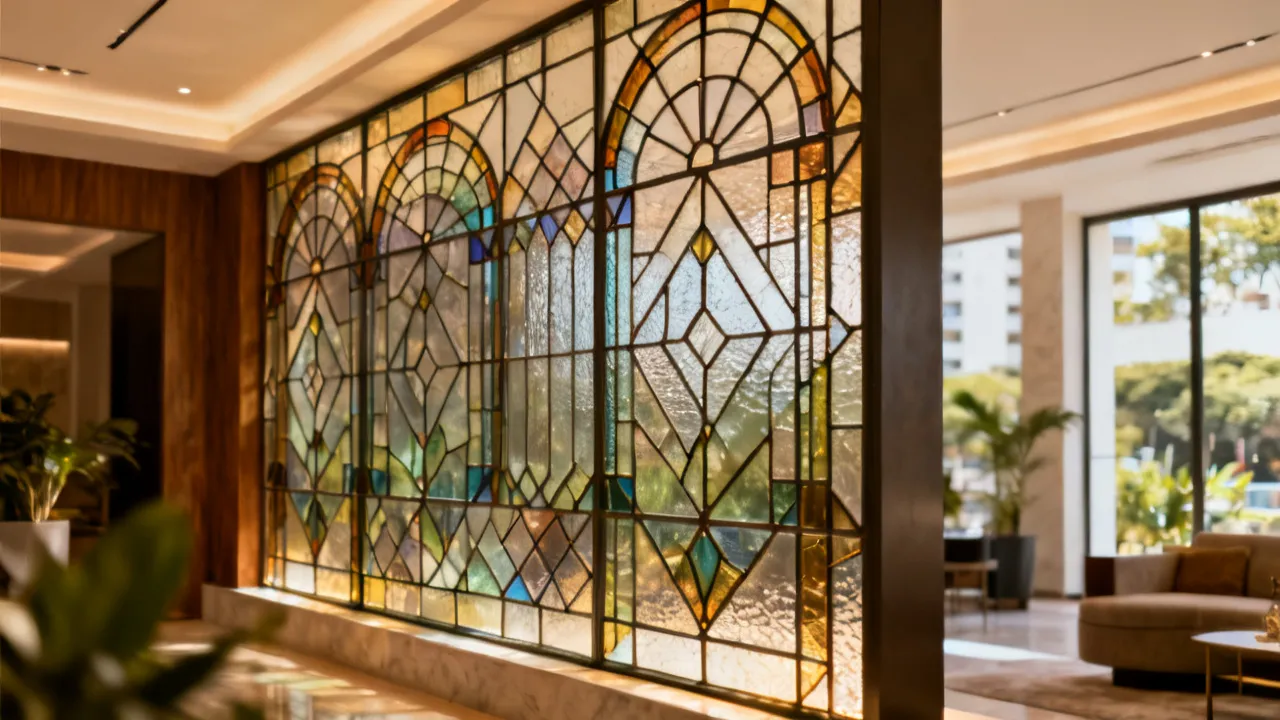
This guide explains how to evaluate Grand Vitrali Moema in terms of design, materials, craftsmanship, and installation quality. It provides an objective background on stained-glass concepts and the considerations buyers typically weigh in Brazilian urban interiors, with a focus on what to confirm before purchasing and how to maintain value over time.
Grand Vitrali Moema is a stained-glass–focused architectural and decorative concept that many buyers evaluate for ambiance, craftsmanship, and site fit. This guide explains, in an objective way, what “Grand Vitrali Moema” typically signifies in design practice, what factors influence selection, and how to assess suppliers, materials, installation approach, and good maintenance.

This guide explains how to evaluate L7 SK procurement options by comparing supplier capabilities, delivery readiness, and transparent price components. It provides objective background on what “L7 SK” typically refers to in operational purchasing contexts, how pricing is structured, and what due diligence steps reduce supply risk. Sources and practical requirements are included to support defensible decisions.

This guide explains how to evaluate Arara PB through objective, sourcing-focused criteria—covering suppliers, typical market considerations, and compliance-oriented checks. Background sections clarify what “Arara pb” commonly refers to in procurement contexts and why buyers should verify specifications before purchase, particularly when balancing performance, documentation, and reliable delivery.
This guide explains what the identifier “20011983” typically represents in supply, procurement, and inventory workflows, and how it connects to supplier documentation, pricing visibility, and audit-ready records. Background context covers why such codes matter, where they appear across systems, and what buyers should verify. The focus remains objective and operational for decision-makers.

This guide explains how to evaluate XVino by checking quality markers, pricing logic, and supplier reliability, so you can choose a bottle that matches your taste and budget. It then presents objective background context on what “XVino” typically signals to buyers, how wine quality is assessed in the supply chain, and what to consider before purchasing from any vendor near by.

