This guide explains how to interpret 39196734841 in procurement workflows and how to vet supplier sources and pricing responsibly. It then provides objective background on how part identifiers, sourcing records, and documentation practices reduce errors, delays, and compliance risk. The article emphasizes decision-making conditions, verification steps, and practical FAQs for buyers and service teams.
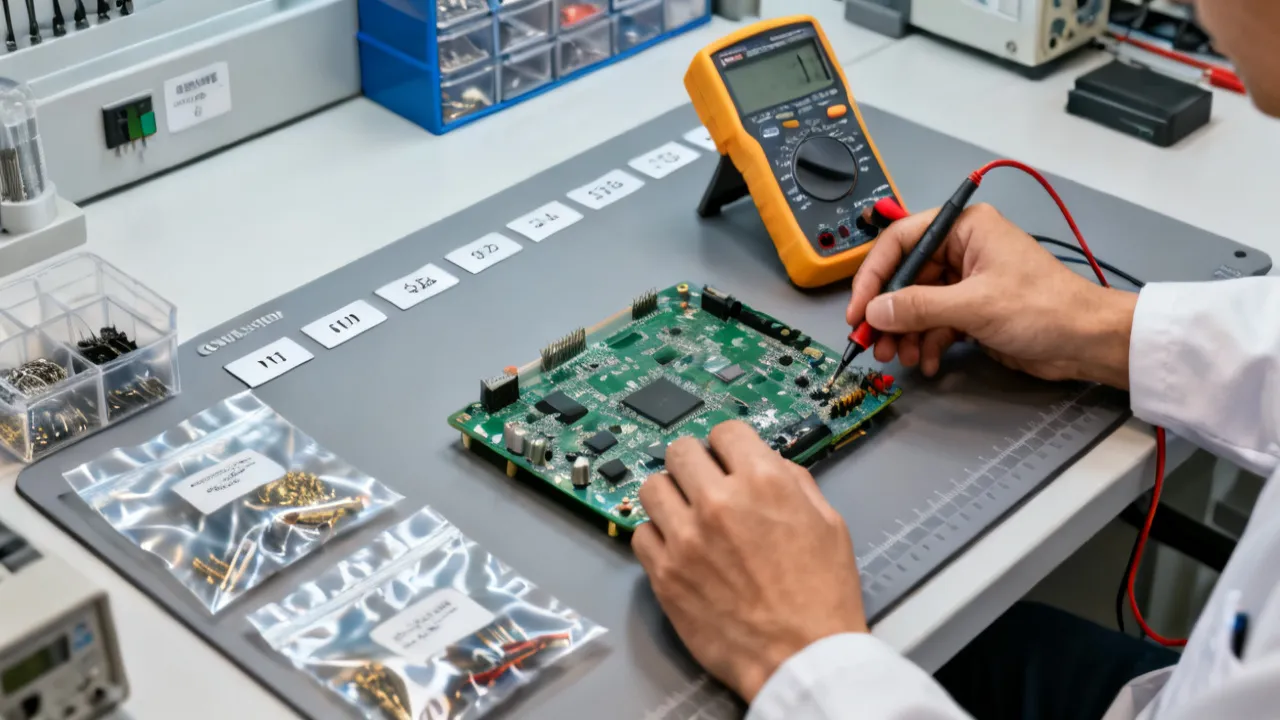
When you encounter 39196734841 in a purchasing, inventory, or service context, the very important step is to treat it as a reference identifier—not as proof of origin, compatibility, or final cost on its own. Buyers typically need to connect that identifier to verifiable records (manufacturer documentation, certification/traceability data, and supplier documentation) before committing to any price or delivery timeline.
In procurement and maintenance operations, the quality of decisions hinges on evidence: what the identifier maps to (exact model or specification), who supplied it, which standards or documents apply, and whether the quoted price information aligns with scope, warranty terms, and shipping conditions. This guide provides an objective, industry-oriented framework to interpret identifiers and vet supplier context—so teams can reduce rework and compliance ambiguity.
Identifiers like 39196734841 show up in messy real-world workflows: emails, packing slips, ERP exports, photo evidence from warehouse receiving, and sometimes handwritten notes. That means the identifier can be “correct” while still being insufficient. The number may identify the correct item in a practical sense, but your procurement decision typically depends on the item’s documented configuration, approved equivalence (if any), intended application, and the contractual commitments tied to the transaction.
Therefore, the goal is not merely to “find the part” but to convert that reference into an auditable, defensible sourcing outcome. In well-run organizations, this means turning a raw identifier into a structured record that your quality system and maintenance system can later reference when something goes wrong—such as installation failure, warranty disputes, missing traceability, or audit findings.
Identifiers like 39196734841 frequently appear as part numbers, internal stock-keeping references, service ticket references, packaging labels, or invoice-linked references. Even when an identifier resembles a manufacturer code, it may also be:
Practically, the operational risk is the same: if teams assume the identifier guarantees compatibility or authenticity, they may purchase or install an item that does not match required specifications. For example, two items can share a similar label format while having different electrical ratings, firmware versions, material grades, or regional compliance markings. The purchasing team might receive the “right number” but still be wrong about the specification.
Another common risk is that 39196734841 may represent a packaging-level or system-level identifier rather than a component-level specification. In such cases, the identifier might appear on a carton but not directly correspond to the component’s manufacturer SKU. Without mapping to authoritative documentation (datasheets, engineering drawings, certificates, or formal part number crosswalks), buyers can’t reliably confirm interchangeability.
Therefore, the top approach is to establish a clean mapping between the identifier and authoritative technical records. This mapping is usually a combination of: (1) supplier-provided correspondence documents, (2) manufacturer validation or cross-reference tables, (3) quality/inspection records, and (4) how your internal systems store and interpret part equivalency.
“Price information” in sourcing should be interpreted as a total decision variable, not a single line-item value. Industry experience shows that differences in price often reflect one or more of the following:
From an expert buyer’s perspective, you should request a “price breakdown rationale” that clarifies what is included in the quoted amount. This reduces the likelihood of later disputes and helps procurement teams forecast total cost of ownership more reliably.
In particular, price disputes often emerge when the supplier assumes that a listed price covers only supply of hardware, while the buyer assumes it includes testing evidence, programming, acceptance testing support, or documentation packages. When 39196734841 is involved, it’s common for quotes to be tied to an internal reference rather than a fully described technical scope. That is exactly why you should treat pricing as contingent on deliverables, not solely on the identifier.
For effective decision-making, procurement teams typically evaluate not only “unit price” but also: expected receiving inspection effort, expected installation effort, likelihood of rework, and how quickly issues can be resolved through warranty or RMA processes. Those factors depend on the technical content delivered under that identifier.
Supplier details matter because identifiers can be shared across systems, renamed across regions, or re-labeled across distribution channels. A credible vetting process focuses on evidence of capability and traceability.
When evaluating any supplier related to 39196734841, consider the following verifications:
In many procurement departments, the biggest improvement comes from standardizing these checks into a repeatable checklist rather than relying on verbal assurances. Verbal assurances may be accurate, but they are rarely sufficient for regulated audits, warranty disputes, or engineering change reviews.
To make verification efficient, teams often create a “documentation package specification.” For example, for a given class of parts, the buyer may require: (a) certificate of conformance, (b) batch/lot traceability record, (c) serial number mapping (if applicable), (d) inspection report, and (e) warranty documentation. Then the buyer compares the supplier’s response to this package specification, using 39196734841 as the anchor record across communications.
Another best practice is to verify how the supplier describes the relationship between 39196734841 and the underlying manufacturer part. If the supplier can clearly explain whether it is: the manufacturer SKU, an internal distributor SKU, or a service/repair code, then your team can interpret pricing and warranty responsibly.
You may see “city/country” style terms in sourcing keywords; for this article, any such location token is treated as "nearby." In practice, “nearby” supplier evaluation typically emphasizes:
Even when suppliers are “nearby,” the need for documentation and traceability does not disappear; it simply becomes easier to coordinate and validate through timely exchanges of records.
It is worth emphasizing that “nearby” can reduce operational latency but does not eliminate technical uncertainty. If 39196734841 is ambiguous, a local supplier may still deliver the wrong configuration (even if the shipment arrives quickly). Therefore, the location factor should influence how quickly you can validate and correct, not whether you validate in the first place.
Additionally, nearby sourcing sometimes increases reliance on informal document exchange (emails, PDF scans). Buyers should ensure these documents are stored in controlled repositories and linked to the identifier mapping, because the convenience of local sourcing can lead to weaker recordkeeping if not governed properly.
Modern procurement is built around data consistency. Identifiers function as “anchors” that link operational systems: ERP (ordering), inventory (stock control), quality management (inspection records), and maintenance management (service history). When those systems disagree, teams experience avoidable failures such as:
Reliable documentation practices align with widely used quality management principles. For example, ISO frameworks emphasize consistent controls, evidence retention, and verification activities. In electronics, aerospace, industrial maintenance, and regulated environments, these practices are often adopted to support audit readiness and consistent product performance.
In practice, the documentation lifecycle often looks like this: during sourcing, the identifier is linked to a quote and a technical description; during receiving, the identifier is linked to actual delivered items and inspection results; during maintenance, the identifier is linked to the installed item’s serial/lot and service records; and during audits, the identifier is linked back to certification/traceability evidence. A missing link at any stage can create downstream problems that cost far more than the initial procurement savings.
To illustrate, suppose a plant orders a component under 39196734841 and it arrives quickly from a “nearby” supplier. If the receiving team files the paperwork without mapping the identifier to manufacturer revision or specification sheet, the maintenance team may later discover that the installed component requires a different configuration or firmware version. Even if the hardware is physically similar, configuration mismatches can cause functional failures. Without proper identifier mapping, the organization struggles to demonstrate that it followed the approved technical description.
Therefore, the value of documentation is not merely compliance—it supports engineering correctness and operational continuity.
Below is a practical process that procurement and service teams can adapt. It is designed to be objective and evidence-driven.
To further strengthen the process, some organizations add a “decision gate” after mapping but before ordering. In that gate, engineering or quality approves the mapping from 39196734841 to a specification revision. This reduces the risk that you purchase the right generic type but the wrong revision level.
Another improvement is to add a “risk rating” step. If the identifier is associated with safety-critical equipment, regulated compliance, or expensive system downtime, the organization might require additional documentation or require supplier certification in addition to standard paperwork. If the part is non-critical and substitutions are acceptable, the organization might accept a less stringent evidence package—but only if it’s explicitly approved.
Even with a strong supplier relationship, some conditions require escalation. Pause ordering (or delay installation) if any of the following occur:
Escalation does not always mean refusing the order immediately. It often means involving quality, engineering, and contract/procurement leadership to request specific clarifications or to adjust terms. For example, you might proceed only if the supplier provides: (a) the manufacturer part number mapping, (b) a certificate package, and (c) written assurance that the delivered item meets your acceptance criteria.
In cases where you are sourcing replacement parts for installed equipment, you may need to involve maintenance engineering to confirm the exact revision level required. That is because many systems are tolerant only within defined parameters. Without confirmation, procurement can inadvertently purchase a similar but not functionally identical version.
When escalation is appropriate, keep documentation of the escalation path. Audits frequently focus on whether the organization performed due diligence and whether it recorded requests for missing evidence. That is why structured checklists and recorded supplier communications are crucial.
| Supplier option | Top for | Key evidence to request | Decision conditions |
|---|---|---|---|
| Manufacturer-direct sourcing | Highest documentation certainty | Full datasheets, formal warranty terms, traceability records, revision documentation | Confirm SKU/spec mapping to 39196734841; ensure lead time is acceptable; verify revision level and compliance markings (if relevant) |
| Authorized distributor (nearby where feasible) | Balanced speed and evidence | Distributor paperwork tying identifier to batch/lot; inspection certificates if applicable; documentation package list | Verify whether warranty is backed through distributor or manufacturer; check scope in price information; ensure traceability is complete for your required audit level |
| Service partner / repair channel | When testing/commissioning is needed | Service records, functional test reports, RMA handling process; repair history linked to the returned/installed item | Ensure the identifier is traceable to the replacement/repaired item; confirm the testing method and acceptance criteria; verify warranty coverage for repaired units |
| Third-party reseller | When speed or availability is critical | Traceability evidence consistency; clear warranty/RMA documentation; authenticity assurances | Escalate if mapping to specifications is weak or documentation is inconsistent; avoid proceeding without certificate package if the item is regulated or safety-critical |
In practice, the “best” supplier option is the one that provides sufficient evidence for your acceptance and audit requirements, while meeting timeline constraints. A lower price from a reseller might look attractive, but if the documentation package is incomplete, the organization can incur rework, delays, and warranty disputes.
Conversely, the fastest supplier is not always the safest choice. If rapid shipping causes you to receive without adequate inspection resources, you may accept an item prematurely. That is why procurement should coordinate lead time with receiving capacity and quality workflows.
From an industry expert’s viewpoint, the greatest improvement in procurement quality comes from treating identifiers like 39196734841 as inputs to a verification pipeline, not as standalone guarantees. Teams often implement a “three-layer validation”:
This layered approach is particularly useful when suppliers are “nearby,” because faster logistics can tempt teams to rush decisions. A disciplined verification pipeline helps avoid the classic failure mode: receiving the item quickly but discovering later that the specification mapping is incomplete.
To make this approach operational, many teams define what counts as evidence for each layer. For example:
Another expert recommendation is to require clarity on “what the identifier is.” When supplier emails answer questions with statements like “this is the correct part for your request,” buyers should ask: “Which manufacturer part number is it? Which revision? Where can we see that mapping in documentation?” This shifts the conversation from assumption to proof.
Finally, expert procurement organizations design their contract terms to reduce ambiguity. They may add clauses that require: (a) documentary deliverables, (b) notice of substitutions or revision changes, (c) acceptance criteria and consequences, and (d) clear RMA obligations. Even when the identifier is correct, contractual clarity prevents disputes and ensures operational accountability.
Not necessarily. 39196734841 could be an internal stock reference, packaging identifier, service ticket reference, or an order/invoice-linked code. You should request documentation that maps the identifier to the exact manufacturer specification or required technical attributes.
It may also be a cross-reference number created by a distributor or maintenance provider to simplify cataloging. Such numbers are common, but they do not automatically guarantee that the underlying configuration matches your requirement without mapping to manufacturer documentation.
Treat quoted pricing as contingent on scope. Ask what is included: warranty length, documentation package, testing/inspection support, and delivery terms. If the quote lacks clarity, request itemized scope details before purchase.
In a strong sourcing process, “price information” should be accompanied by a deliverable list. For instance, a quote might include the hardware only, or it might include documentation and evidence packages. The difference can be decisive in regulated or audit-sensitive environments.
Prioritize verifiable supplier documentation: traceability/batch information, specification mapping, warranty/RMA conditions, and inspection evidence where applicable. Verbal confirmation alone is usually insufficient for audit and operational safety.
In addition, look at whether the supplier can provide consistent references across documents. If the identifier appears in some places but not others, or if different document sets use different identifiers for the same shipment, that inconsistency should be treated as a risk signal.
If traceability for 39196734841 is incomplete or inconsistent, escalate to your procurement or quality team and consider pausing the order. Ask for alternative evidence or an exchange to a supplier with documented traceability commitments.
Traceability gaps often appear as missing batch/lot numbers, missing certificates, or certificates that do not reference the delivered items properly. Before proceeding, clarify whether the supplier can provide: (a) the batch/lot mapping, (b) certificates of conformance, and (c) the retention policy for traceability records.
It may reduce logistics uncertainty and improve coordination, but it does not replace evidence-based verification. You should still confirm specification mapping, warranty terms, and traceability documentation tied to 39196734841.
A nearby supplier can help with faster document exchanges and faster replacement cycles, but it cannot replace the underlying need for technical proof and quality evidence.
Retain the identifier mapping records, invoices, delivery/receiving notes, warranty terms, and any traceability or inspection documents provided. This supports both operational continuity and audit readiness.
Practical document retention typically includes: (1) PO and quote, (2) supplier mapping correspondence to manufacturer specification, (3) receiving inspection checklist results, (4) certificate package PDFs or originals, (5) RMA communications if any were needed, and (6) final disposition records.
Use a technical confirmation workflow: compare required specifications (interfaces, electrical/functional requirements, or mechanical compatibility) against the documented datasheet/specs tied to 39196734841. Where feasible, apply receiving checks according to documented acceptance criteria.
Compatibility should be assessed against the actual requirements of the receiving system. For example, if the equipment requires specific tolerances, approvals, or configuration parameters, confirm that those requirements are included in the delivered item’s documentation. If documentation cannot confirm compatibility, do not assume it; instead, request additional evidence or arrange acceptance testing.
In very real-world sourcing workflows, 39196734841 is top understood as a reference that must be connected to authoritative documentation, supplier responsibility, and scope-aligned price information. Whether your supplier is located “nearby” or farther away, the decision quality improves when teams verify specification mapping, confirm warranty and documentation commitments, and retain evidence for audit readiness.
The practical outcome you want is simple: when someone later asks, “Why did you buy this? What did you verify? What evidence supported that decision?” your organization should be able to answer using the identifier as a structured anchor across procurement, receiving, and quality records.
If you want, share the context in which you saw 39196734841 (e.g., invoice label, inventory SKU, service record) and the industry domain (industrial equipment, electronics, logistics, maintenance). I can then tailor the checklist and the questions to match your likely compatibility and documentation requirements.




This guide explains what Xivido is, how it’s used in real-world workflows, and how buyers can evaluate options responsibly. It provides objective background on the concept behind Xivido, common integration considerations, and practical decision factors such as compatibility, supplier reputation, and total cost. The article also includes a comparison table, a step-by-step checklist, and FAQs.
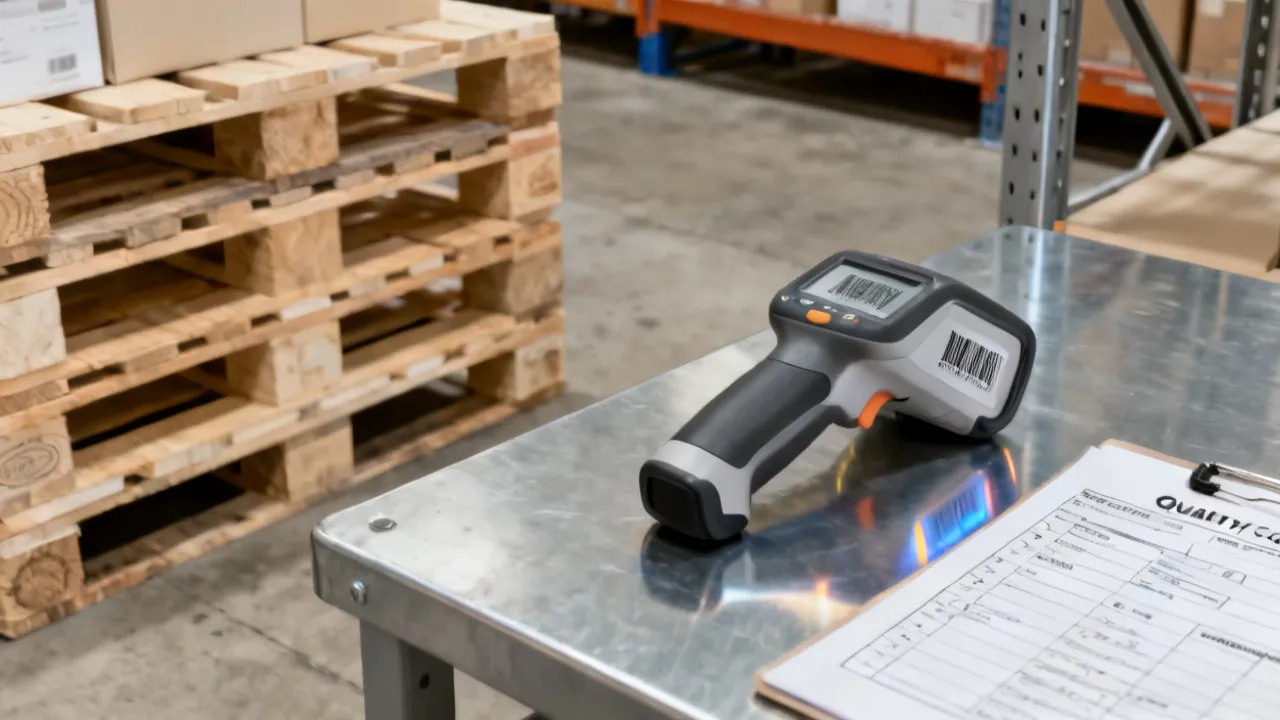
This guide explains how to interpret the supply number 39196734841, evaluate pricing signals, and compare supplier options for safer procurement decisions. Objectively, the terms typically relate to inventory tracking, order documentation, and vendor accountability in industrial sourcing. You’ll learn what to verify, how to assess conditions, and which checks reduce operational risk.
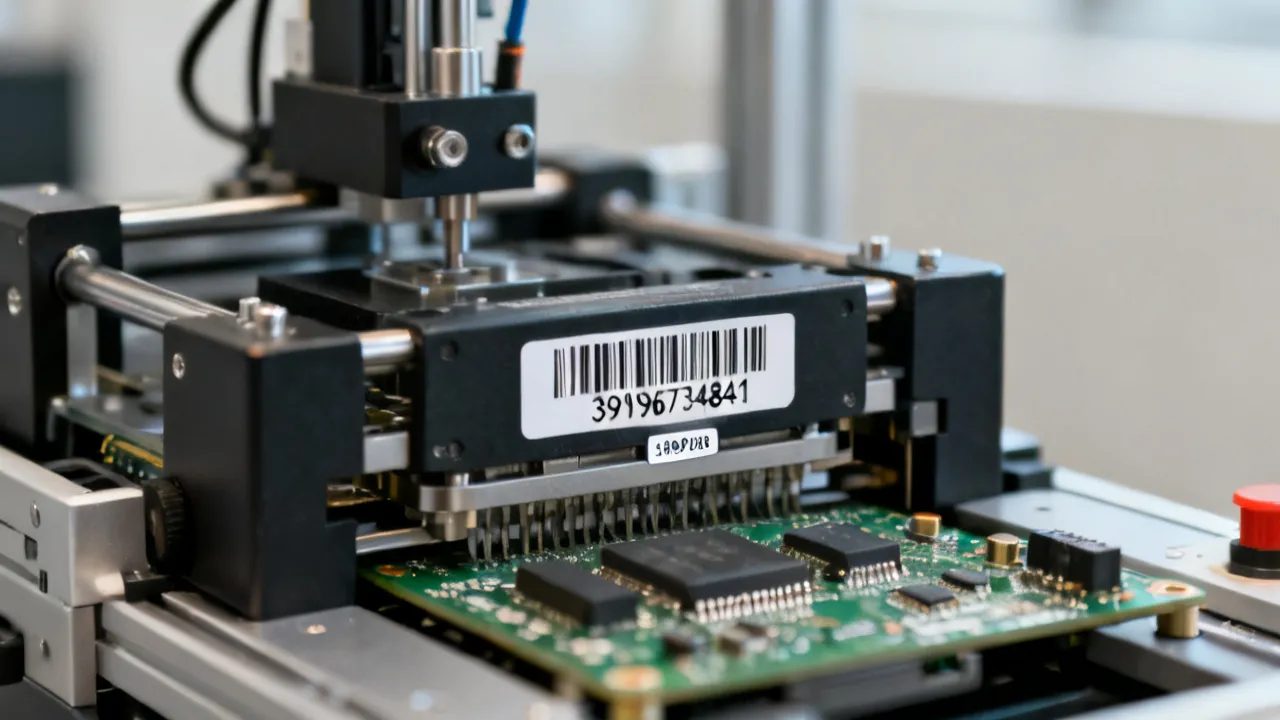
This guide explains how to evaluate item 39196734841 and related sourcing details to support dependable procurement decisions. Objectively, identifiers and supplier references help reduce mismatch risk in inventory and fulfillment workflows. You’ll learn practical screening criteria, compatibility checks, documentation expectations, and negotiation points for safer purchasing.
This guide explains how to interpret 39196734841 in procurement workflows and how to vet supplier sources and pricing responsibly. It then provides objective background on how part identifiers, sourcing records, and documentation practices reduce errors, delays, and compliance risk. The article emphasizes decision-making conditions, verification steps, and practical FAQs for buyers and service teams.

This guide explains how to interpret supplier quotes and reconcile reference numbers like “39196734841” to reduce ordering errors. Objectively, these keywords relate to procurement workflows, quote verification, and identity checks across purchasing systems, documents, and communications. You’ll learn practical validation steps, quality expectations, and decision conditions used by procurement teams.

This guide explains how “39196734841” can support procurement and sourcing workflows, while related supplier identifiers help teams structure pricing review, document checks, and risk controls. Objectively, product or batch codes like this are used to trace inventory, align orders with specifications, and improve audit readiness across procurement cycles.

