China's ancient heritage, extending through millennia, has profoundly influenced global history. This encompassing narrative of magnificent empires and transformative ideologies displays how China's early society directed human progress. Exploring this tale uncovers the dynastic rule and philosophical thought characterizing its significant contributions.

The inception of Chinese society is often accredited to the Xia Dynasty. Figures of legend, including Emperor Yu the Great, represent an era marked by agricultural innovation, the inception of bronze casting, and improvements in water management systems.
During the subsequent Shang Dynasty, more structured governance emerged through a centralized kingship, and the scripting of symbols on animal bones began. This epoch saw the emergence of Chinese script and the advancement of bronze work, alongside the establishment of social stratification and rituals honoring forebears.
Following was the influential Zhou Dynasty, which brought forth the "Mandate of Heaven" – a notion that granted rulers divine sanction but also held them accountable for their governance. This period also gave birth to significant philosophical movements such as Confucianism and Daoism.
The era of the Qin Dynasty was a landmark in the unification and consolidation of China. Emblematic of this period was Emperor Qin Shi Huang, who not only unified the nation but also implemented uniform written characters, coinage, and measures, as well as initiating the construction of the iconic Great Wall. His mausoleum is famously guarded by a vast terracotta warrior assembly.
Regarded as a pinnacle period, the Han Dynasty oversaw flourishing arts, science, and technological progressions. The Silk Road expanded, enhancing connections with the West. Confucian thought dominated during this time, and a meritorious bureaucracy was instituted via a rigorous examination system.
A zenith in the arts, the Tang Dynasty was characterized by affluence, trade expansion, and worldly attitudes. Chang’an (today's Xi'an) stood as a global metropolis of culture and trade. Master poets and artists such as Li Bai and Du Fu contributed timeless works, enhancing the dynasty's cultural legacy.
Advancing into the Song Dynasty, notable strides in technology and economic prosperity were seen. The advent of movable type printing significantly propelled the spread of information, while new methods in farming and irrigation boosted food production. This era also saw the emergence of Neo-Confucianism, a synthesis of Confucian, Buddhist, and Daoist elements.
Finally, the Ming Dynasty heralded stability and wealth. The Great Wall's construction saw significant enhancements, and the Forbidden City was erected as the royal residence in Beijing. This period is also distinguished by Zheng He's seafaring voyages, extending Chinese influence as far as Africa.
In reviewing the chronicles of ancient China, one is taken on an astounding historical voyage, charting the governance, artistic, and philosophical strides that continue to resonate globally. From the foundations laid by the Xia to the wide-ranging impacts of the Ming, China's formative periods persist as a testament to its enduring contributions to human history. This exploration fosters an enriched understanding of the lasting heritage and global significance of ancient China.



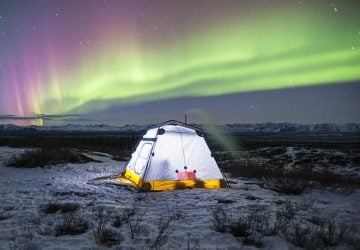
The Celestial Dance of the Aurora Borealis
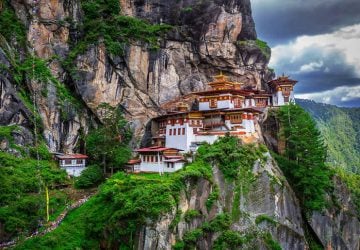
During a time when environmental consciousness is soaring, the demand for eco-conscious travel has markedly increased. People on the go are now actively looking for locations that not only respect the importance of preserving the environment but also endorse ethical tourism approaches, and furnish them with unparalleled encounters that bring them closer to the wild and cultural heritage of the areas they visit. This piece sheds light on the delights of choosing eco-responsible travel, focusing on destinations that strike a balance between creating lasting memories and contributing positively to our Earth's wellbeing.

Photography aficionados find a boundless tapestry of enthralling scenes and spectacular vistas across the globe, all ripe for immortalization through the lens. We extend an invitation to you, the reader, to join us on an expedition through photogenic travel hotspots that boast majestic views, deep-rooted cultural significance, and peerless encounters to kindle your artistic prowess and advance your photographic talent. Delve into both renowned and obscure locales that will spur your inventiveness and aid you in crafting striking visual stories.
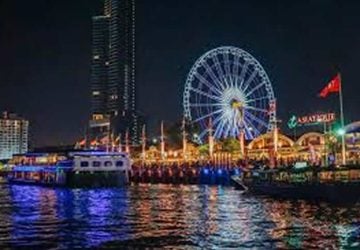
Riverfront destinations possess a magnetic appeal, defined by their stunning landscapes and dynamic cultures that line the world's picturesque rivers. We encourage you to explore the enchanting riverfront travel locales in this piece, where you encounter the harmonious presence of rivers and lively urban centers, offering singular and mesmerizing encounters. You'll be guided through iconic river sights as well as lesser-known spots, each promising to enlighten you with their aesthetic splendor, deep-rooted history, and cultural abundance.

Setting sail on a river cruise is like entering a living narrative of awe, with each turn revealing fresh chapters of excitement, cultural interaction, and stunning vistas. More than traversing geographical distances, a river cruise is an expedition through the annals of history, the tapestry of cultural dynamics, and the abundant splendor of the natural world. This complete guide aims to steer you through the vital steps and factors to consider when selecting, organizing, and carrying out a river cruise that meets your aspirations and hopes.
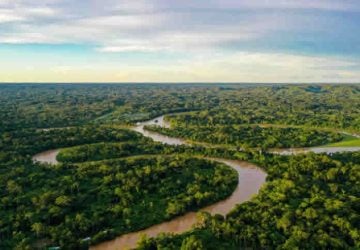
The Amazon Rainforest is often likened to the planet's respiratory system, a sprawling and diverse environment that captures imaginations with its majestic allure and critical ecological role. It blankets nine countries in South America, serving as a sanctuary for innumerable species of flora and fauna, indigenous peoples, and a complex ecological network. Embark with us on a journey to uncover the marvels of the Amazon Rainforest and comprehend its essential part in supporting life on Earth.